Aloha Sports Chiropractic

← All books

A practical guide for runners

The Elastic Athlete

Runner's Edition

How you lost your spring, and how you get it back.

By Dr. Craig Eymann, D.C.

33 chapters · Running mechanics · For runners and movers

Cover of The Elastic Athlete: Runner's Edition by Craig Eymann
About the book

Your running stride is more than strength and stamina.

The Elastic Athlete explores running as an elastic system. Your body receives force, passes it through a chain of joints, stores energy, and returns it into the next stride. Dr. Eymann examines why a stride can begin to feel heavier, and how joint motion, soft tissue, coordination, and training interact.

The book does not prescribe one running style. It helps you understand the mechanics of your own stride, and the difference between restoring movement and training it.

Who it's for: runners who feel slower, heavier, or less comfortable than they once did, and anyone who wants to understand how their stride works.

This page describes the author's perspective and the book's contents. It is educational material, not an individual diagnosis or treatment plan.

The central ideas

Two systems. One connected stride.

The book returns to two ideas: the spring that stores and returns energy, and the chain of joints that transfers force.

01 · THE SPRING

Store and return energy

Tendons, fascia, ligaments, and the foot's arch help store and return energy with each step.
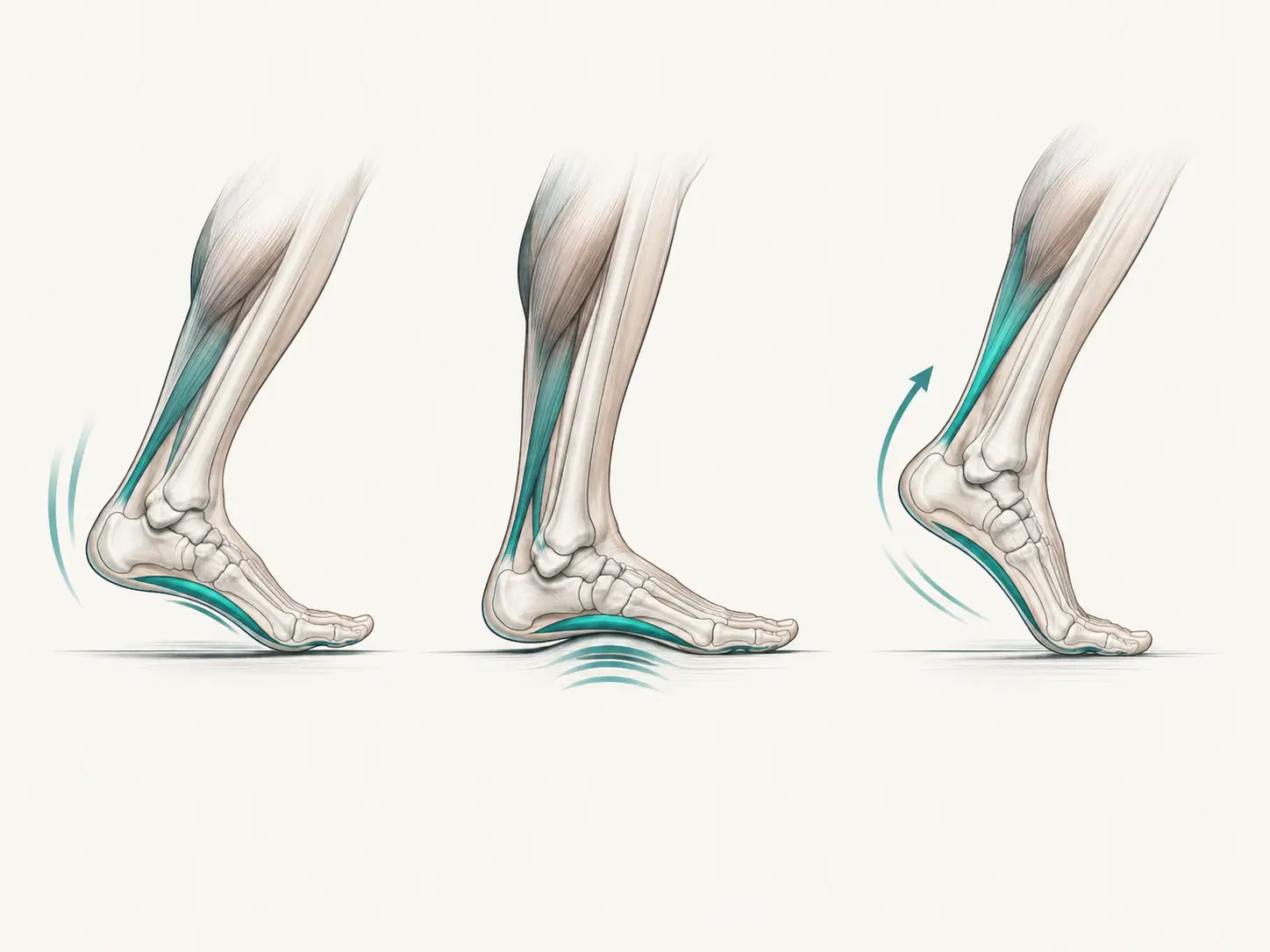
Diagram of foot biomechanics during the running stride
02 · THE CHAIN

Understand connected motion

The foot, leg, pelvis, and spine work as linked parts. Motion in one area can influence the movement around it.
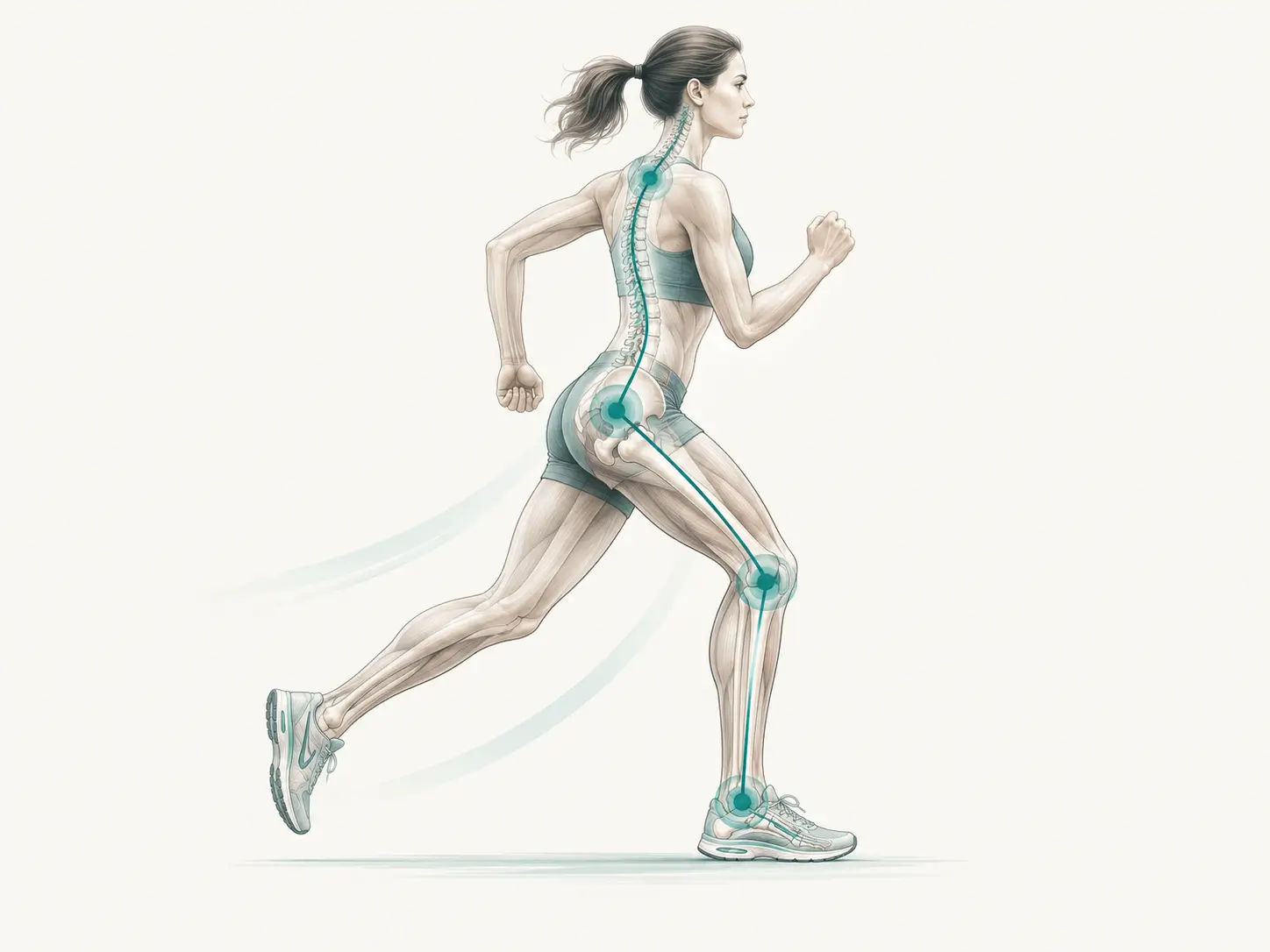
Anatomical runner with the kinetic chain highlighted from foot to spine
03 · THE APPROACH

Restore, then train

The author's framework moves from restoring restricted movement, to rebuilding coordination, to training strength. It describes one clinician's approach, not a universal treatment protocol.
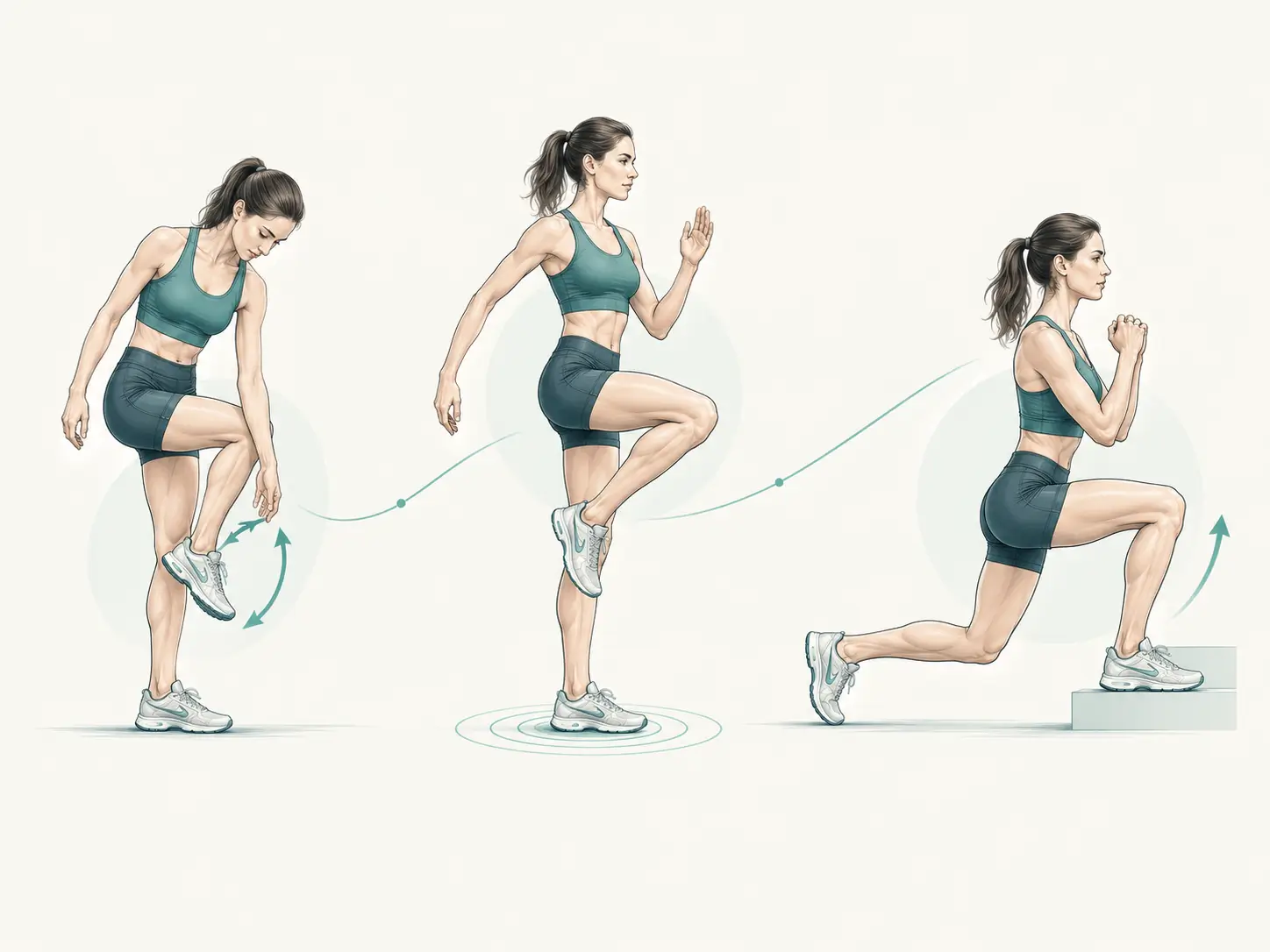

Three panels showing mobility, balance, and strength training for runners
Inside the book

Explore the chapters

33 chapters across seven parts. Select a chapter to read its summary. These are editorial previews, not substitutes for the chapters.

START HERE

Front matter

Who this book is for and how it approaches running differently.

—Two Kinds of Runner

Introduces the contrast between runners who appear to rebound effortlessly and those who seem to spend more energy with each stride.

—Is This You?

Speaks to runners who feel slower, heavier, or less comfortable than they once did, and introduces the possibility of understanding what has changed.

—Why Nothing You've Tried Has Worked

Outlines the author's three-layer model: restricted joint motion, tissue guarding, and ingrained movement patterns.

—How This Book Is Different

Explains the book's emphasis on recovering your own elastic movement rather than imposing one ideal running style on everyone.

PART I

The Promise, and the Machine

How running became a body-wide system built to store and return energy.

Chapters 01–04
01What Did You Do to Me?

A clinical story introduces the idea that changes in movement can affect how running feels and performs.

02The Running Revolution

Looks at the growth of recreational running and the modern running movement, then considers injury and recovery.

03Elastic

Introduces elastic energy, the body's springs, and the connected system that helps make distance running possible.

04How We Run

Begins to explain running mechanics and how the body coordinates movement through a stride.

PART II

The Stride

The foot as a dynamic structure, and the kinematic chain that links it to the leg.

Chapters 05–06
05Stride Dynamics: The Foot

Explores the foot as a dynamic structure that must adapt to landing and contribute to propulsion.

06The Kinematic Chain

Follows the relationship between foot motion and movement through the leg.

PART III

Where the Stride Breaks

Common patterns of breakdown, read through the connected chain from foot to spine.

Chapters 07–18
07The Most Common Running Injuries

Frames common running injuries through the book's connected-chain model.

08Pronation, Supination, and Your Achilles

Examines foot movement patterns and their relationship to the Achilles and running mechanics.

09The Three Ways a Foot Loses Its Push

Considers different ways the foot may lose its contribution to an efficient stride.

10The Chain That Lost Its Rhythm

Explores how changes across connected joints can interrupt the timing of movement.

11What a Millimeter Costs

Discusses small joint-position changes and the author's view of their possible effects on muscle function and movement.

12The Knee: The Hinge Caught in the Middle

Looks at the knee in relation to the foot and hip rather than as an isolated hinge.

13The Hip: The Rotational Engine

Explores the hip's rotational role within the larger running chain.

14The Pelvis: Where One Leg Hands Off to the Other

Examines the pelvis as a link between the two legs during alternating movement.

15The Sacrum: The Central Gear of Your Stride

Explores the sacrum and pelvic joints in the author's model of connected stride mechanics.

16The Spinal Spring

Considers the spine as part of the system that carries and coordinates movement.

17The Arms: Counterbalance and Amplifier

Looks at how arm swing and the upper body contribute to balance and running rhythm.

18The Head-to-Feet Connection

Explores the author's proposed relationship between head and neck position and movement below.

PART IV

The System, and Where It Breaks

The springs of running, and how restricted movement can reinforce itself.

Chapters 19–21
19The Springs of Running

Brings together the structures that store and return energy during running.

20Where the Springs Break: The Fixation Cascade

Describes the author's model of how restricted movement and tissue responses can reinforce each other.

21When the Spiral Gets Trapped

Continues the discussion of connected rotational movement and the loss of fluid motion.

PART V

Getting Your Spring Back

The author's restore-then-train approach, including hands-on work and common tools.

Chapters 22–27
22Restoring the Springs

Introduces the restoration stage: addressing movement the author believes has become restricted.

23Training the Springs

Moves from restoring movement to training the body's capacity to use it.

24Filling the Gaps

Considers areas a runner's existing training program may not address.

25The Joint That Lost Its Give

Focuses on joint movement and the role it plays in the author's broader model.

26The Therapist's Hands

Discusses hands-on clinical work within the book's restore-then-train approach.

27Shoes, Orthotics, Taping, Braces, Ice and Heat

Considers common tools and interventions in the context of the book's movement framework.

PART VI

Common Injuries, Read Through the Chain

Knee, shin, and outer-leg symptoms, viewed through connected mechanics.

Chapters 28–31
28Iliotibial Band Syndrome

Reads outer-knee symptoms through the connected mechanics of the leg.

29Runner's Knee

Explores kneecap symptoms in relation to the movement of the wider chain.

30Shin Splints

Considers shin pain through the relationship between the foot and the forces travelling through the leg.

31 The Foot In preparation
PART VII

Running Elastic Again

The author's own experience, and a closing view of running as elastic movement.

Chapters 32–33
32My Own Leg

The author reflects on his own leg, the experience of training around restrictions, and the process of working toward running again.

33Running as Elastic Movement

Returns to the book's central idea: running as a coordinated, elastic movement rather than a collection of isolated parts.

No chapters match that search. Try a body area such as knee, hip, or foot, or clear the search to see everything.

Chapter 31 will be added once it is final.

You cannot feel what you have lost, because absence has no feeling. You can only feel it come back.

Craig Eymann, D.C., The Elastic Athlete: Runner's Edition
About the author

Dr. Craig Eymann, D.C.

Portrait of Dr. Craig Eymann

Aloha Sports Chiropractic · 25+ years in practice

Dr. Craig Eymann brings more than 25 years of chiropractic experience at Aloha Sports Chiropractic. He writes from clinical work with athletes and people dealing with movement limitations.

In this book, he sets out a clinician's working model of how joint motion, soft tissue, and the elastic mechanics of running relate. He separates his clinical observations from areas where research is still unsettled.

Read a sample

Get a free chapter of The Elastic Athlete

Read a sample chapter before you decide. Request it by email, with no purchase required.

  • No purchase required
  • Sent to the email address you provide
  • No obligation to subscribe to marketing emails

Send me the free chapter

Enter your email and we will send the sample chapter to you.

Keep exploring

More books by Dr. Craig

Explore upcoming publications and discover practical insights from years of experience.
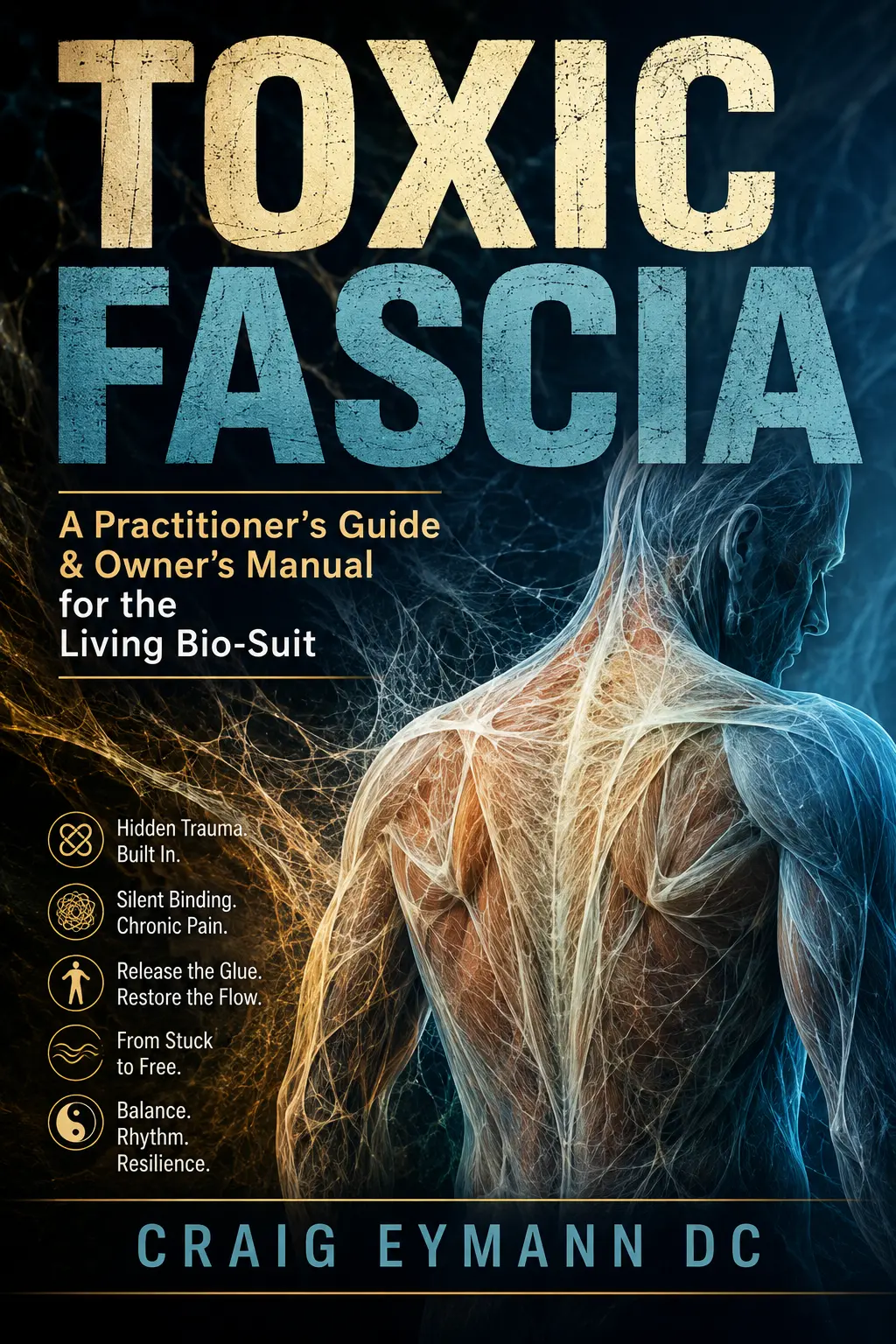
Toxic Fascia cover

Toxic Fascia

A practitioner's guide and owner's manual for the living bio-suit.

Coming soon
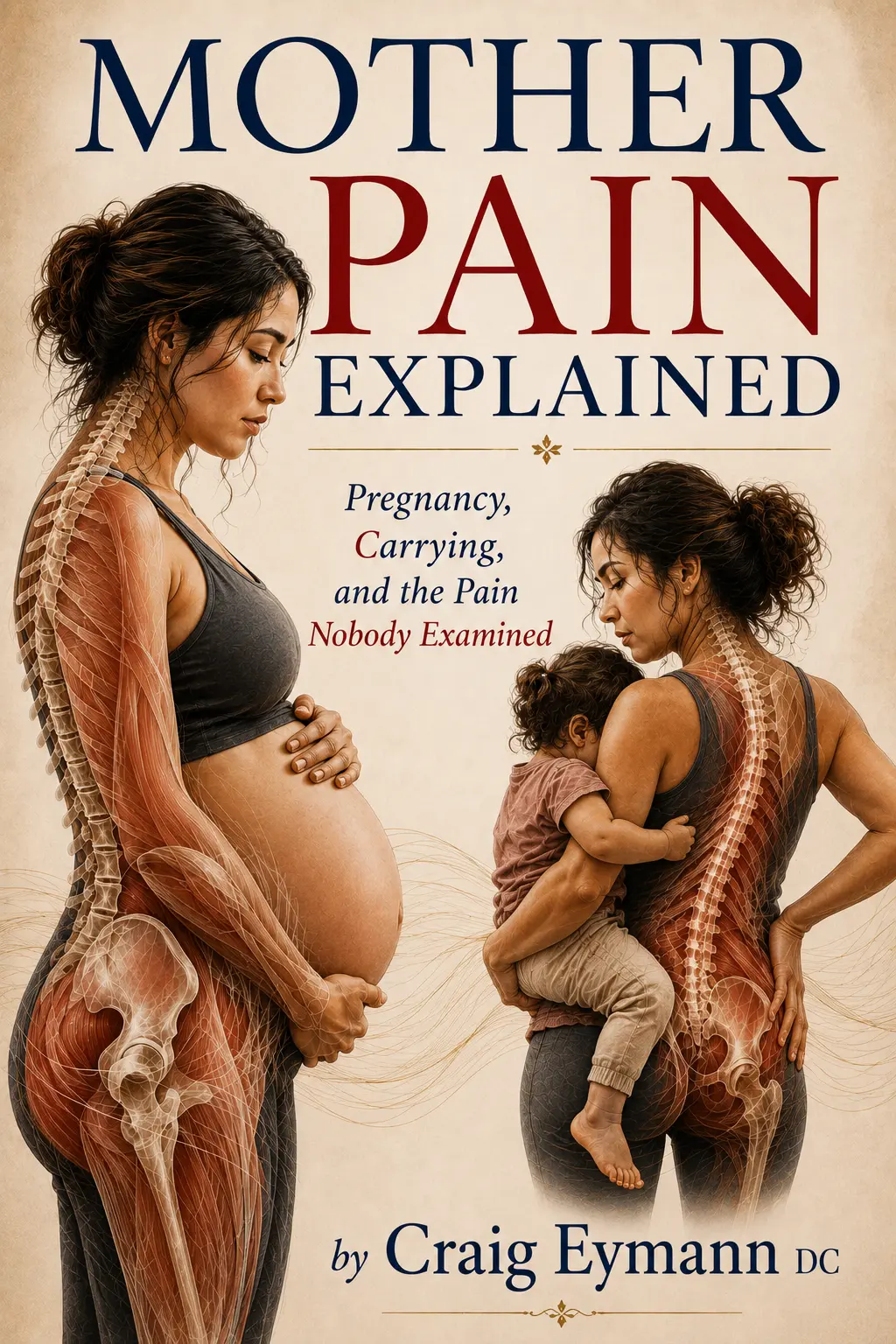
Mother Pain Explained cover

Mother Pain Explained

Pregnancy, carrying, and the pain nobody examined.

Coming soon
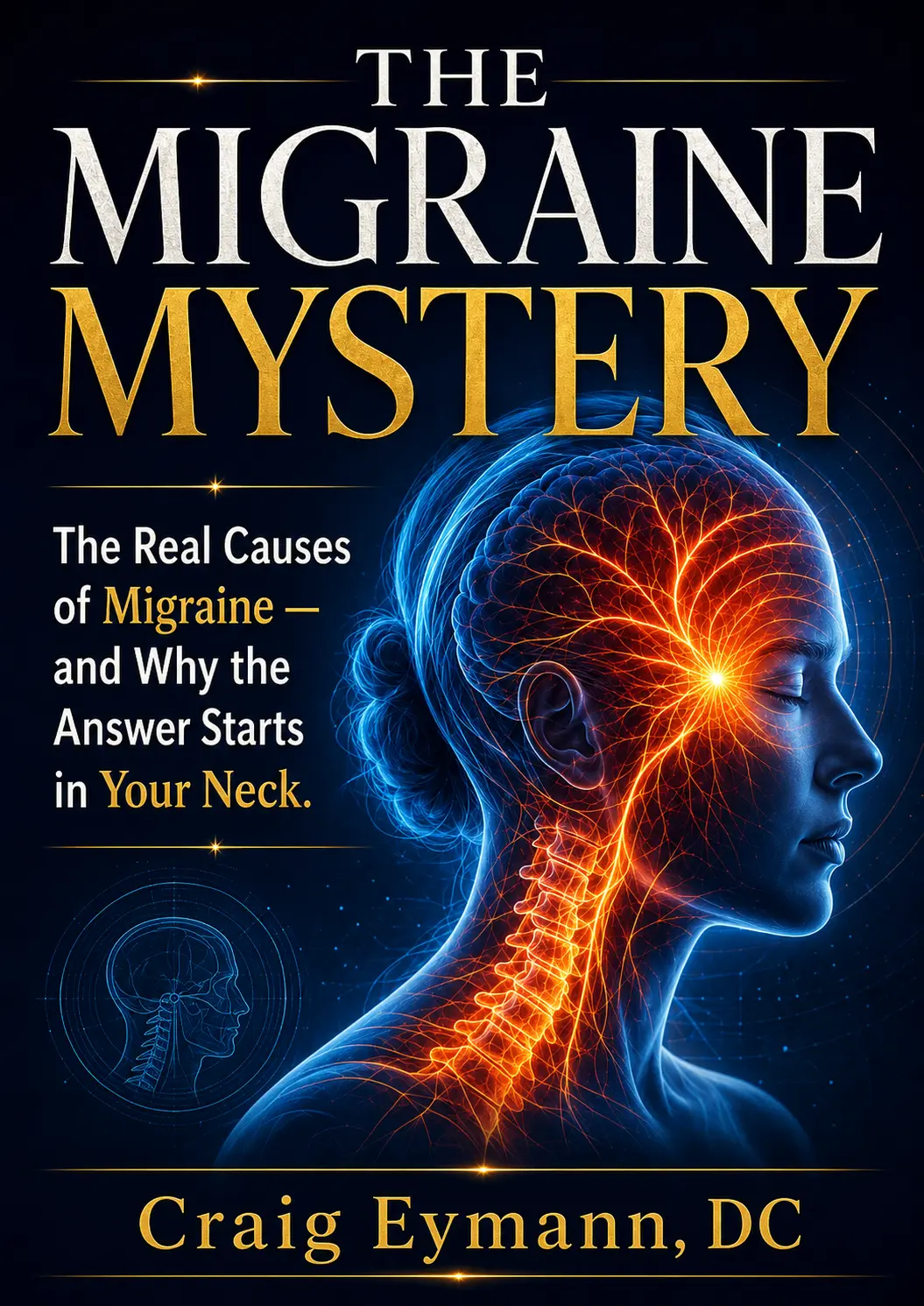
The Migraine Mystery cover

The Migraine Mystery

The real causes of migraine, and why the answer starts in your neck.

Coming soon

Insurance Patients

Select insurance provider and enter policy details. Providing insurance information allows us to verify coverage and confirm your appointment time.

Payment Options

Will you be using insurance for your visit?

Appointment Type Selection

Please select the type of appointment you would like to schedule:

Weekend Clinic
Now Open

On call chiropractic services now available for cash only emergency patients. Additional $25 fee
Dr. Craig Eymann

Musculoskeletal Injury Specialist

Dr. Craig Eymann

Musculoskeletal Injury Specialist