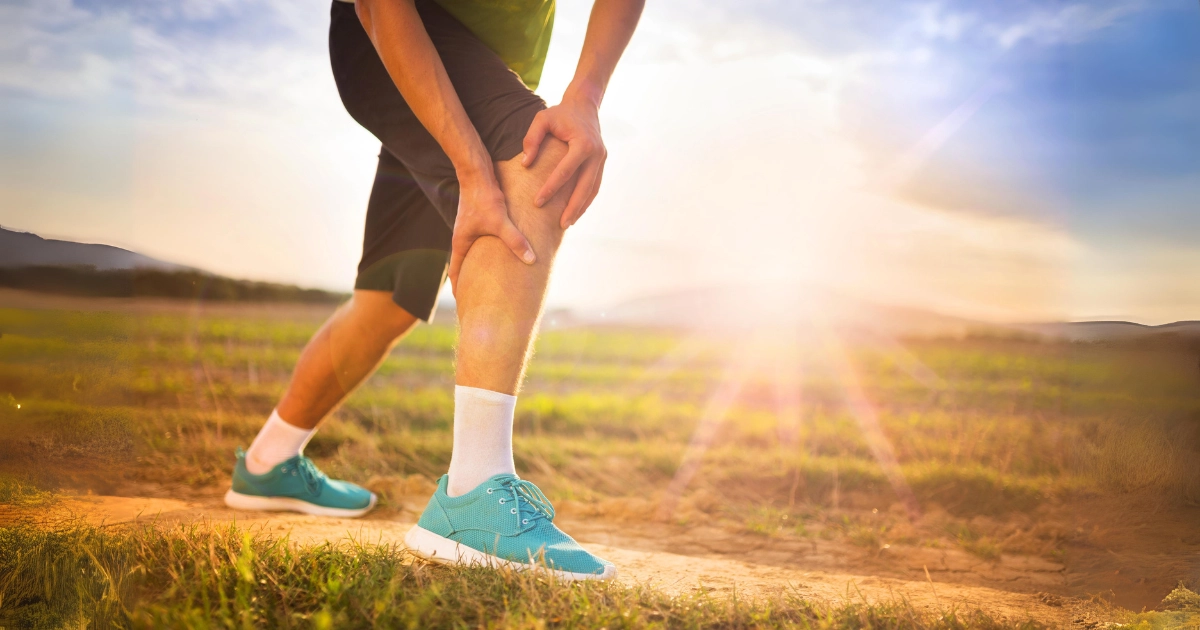
A runner’s knee is the pain that radiates beneath the kneecap. It is a prevalent injury among runners, competitors, and those who are involved in extensive sports. Running can cause inflammation and damage to the knee joint because of constant pounding forces during repetitive movements.
How to get rid of a runner’s knee? The best practice to get rid of the runner’s knee is to perform the RICE method (rest, ice, compression, and elevation). Doctors may also recommend medications, shockwave therapy, physical therapy and, in some cases, surgery.
This blog provides comprehensive information on understanding, diagnosing, treating, and preventing this troublesome knee condition.
Causes of a Runner's Knee
Several factors contribute to the development of a runner’s knee.
1. Overuse
Too much stress on the knee joint from activities like running and jumping sports can cause injury over time.
2. Trauma
A blow or trauma directly to the kneecap can damage tissue and lead to patellofemoral pain.
3. Misalignment
It occurs when the kneecap is positioned in a recess at the end of the femur (thighbone). If the kneecap moves out of location, it can lead to uneven wear and tear.
4. Dislocation
A partial or complete dislocation of the kneecap from its groove is a common cause of a runner’s knee pain.
5. Flat Feet
Fallen arches allow the feet to roll inward excessively, causing the knees to rotate and putting more stress on the joint.
6. Weak Thigh Muscles
The quadriceps muscles on the front of the thighs help stabilize the kneecap. Weak quads lead to poor tracking of the kneecap in its groove.
7. Tight Thigh Muscles
Short, tight muscles like the hamstrings behind the thigh can contribute to poor kneecap tracking.
8. Inadequate Warm Up
Not warming up properly before activity increases the risk of knee injuries.
How to Get Rid of Runner's Knee?
A runner’s knee causes pain, so it is crucial to get rid of it. You can prevent the dull discomfort of this illness by doing the following:
1. The RICE Method
The RICE method helps treat a runner’s knee, a common injury for runners says Healthline. The treatment consists of four key steps:
1.1. Rest
The first step is to properly rest. It involves not doing activities that hurt, like running or high-impact sports. Rest allows the knee to recover and the swelling to reduce.
1.2. Ice
The application of ice is crucial in the RICE method. Place an ice pack on the knee that has been injured and wrap it with a light-absorbing towel to avoid frostbite. Do this for 15-20 minutes every 2-3 hours to minimize swelling and accelerate recovery.
1.3. Compression
The third step involves using an elastic bandage or a knee brace to wrap the affected area. It provides support and further helps reduce swelling.
1.4. Elevation
The final step is to elevate the injured knee, ideally above the level of the heart. It helps reduce swelling by encouraging fluid flow away from the knee joint.
2. Medications
Over-the-counter drugs (NSAIDs) like ibuprofen can alleviate knee discomfort and swelling.
3. Shock Wave Therapy for Knee Pain
Shockwave therapy is a pain-relieving, non-invasive cure for runner’s knees. It involves the application of vibrating sound waves to the hurting region of the knee. Shockwave therapy knee – boosts healing by increasing blood flow and metabolic activity, reducing inflammation.
Studies show that shockwave treatment helps reduce pain and improve function in people with runner’s knees. More studies are needed, but evidence suggests shockwave therapy can help many people with chronic runner’s knee. So, if you’ve been struggling with this prevalent running injury, consider shockwave therapy to gain relief.
4. Physical Therapy
A therapist can give exercises to strengthen knee muscles, improve flexibility, and teach proper kneecap movement. Common treatments include,
4.1. Quadriceps Strengthening
The quadriceps muscle group straightens the knee, so strength is vital for supporting joint function.
4.2. Flexibility Training
Stretches for the quadriceps, hamstrings, hip flexors, and calves provide better mobility.
4.3. Patellar Mobilization
Hands-on tissue massage and joint mobilization performed by a physical therapist can help rebalance knee biomechanics.
4.4. Bracing & Taping
Special braces and athletic tape techniques help correctly align and stabilize the kneecap.
5. Surgery
If conservative treatment fails and disabling knee pain persists for more than six months, doctors employ surgery. It can repair damaged cartilage or correct maltracking of the kneecap.
Preventing Runner's Knee Injury
Use these tips to help prevent patellofemoral knee pain:
Gradually increase training intensity, distance, speed, and duration to avoid overstressing knee joints.
Lose excess body weight to avoid overloading the knees. Every extra pound adds 4-5 pounds of pressure onto knee joints during activity.
Perform thigh and hip strengthening exercises to improve stability around the knee joint. These muscles support healthy knee cap function.
If you have knee issues, try using arch supports or custom orthotics. These can help with overpronation, high arches, or uneven leg length. You can buy them without a prescription.
Replace running shoes every 350-500 miles and ensure adequate shock absorption and foot control for your foot type. Rotate between more than one pair.
Run on softer surfaces like trails, grass, or dirt instead of concrete to reduce knee impact.
Stretch your leg muscles well prior to and after exercise to prevent injury.
Staying physically active also reduces wear and tear on knee joint surfaces.
Recovery Time for Runner's Knee Injury
Runner’s knee recovery time varies substantially based on severity. The factors that may interfere with the recovery time include:
1. Cause and Structures Involved
Overuse injuries generally recover faster than trauma or injuries involving cartilage or ligaments.
2. Age and Overall Health
Younger, fitter individuals typically rebound quicker thanks to quick circulation and healing processes.
3. Rehabilitation commitment
Dedicated PT and self-care speed tissue healing and knee reconditioning.
4. Activity modification
The longer one refrains from re-aggravating activities, the faster the runner’s knee resolves.
A runner’s knee usually resolves within 4-6 weeks on average with committed rehab. Complete recovery can take 3-6 months for stubborn cases. Closely following your treatment plan and doctor’s activity recommendations optimizes recovery.
Ready to achieve lasting relief from nagging knee pain?
Call Aloha Sports Chiropractor today to schedule your knee evaluation.
Runner’s knee is a common painful overuse injury but does not have to become a chronic problem. Understanding the source of knee pain and promptly beginning treatment can help control symptoms.
Combining activity modification, home remedies, custom foot support, shock wave therapy and physical therapy brings the fastest relief.
Runners can recover from runner’s knee injuries by following a gradual training plan and taking care of themselves.